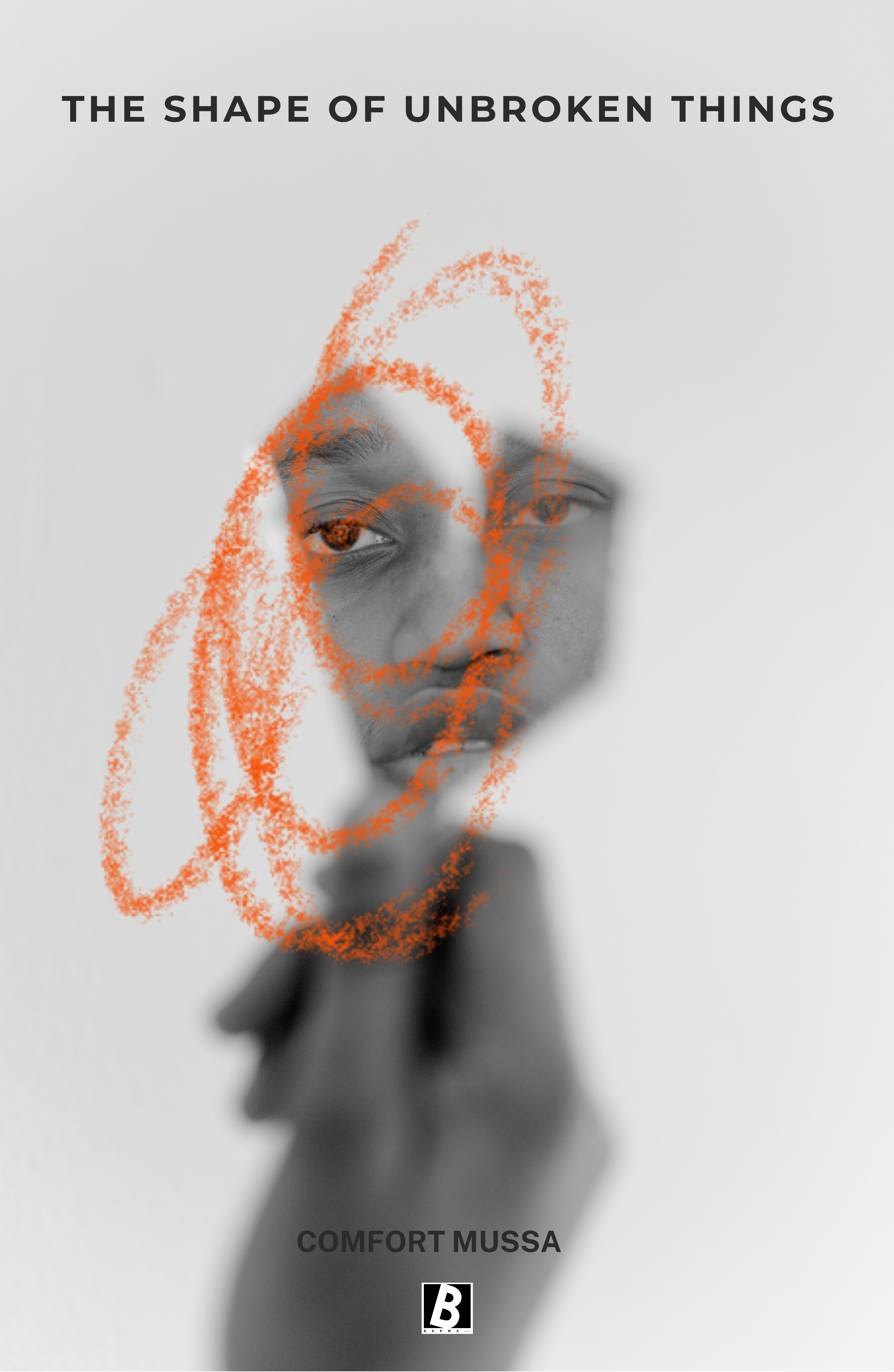
When you first read The Shape of Unbroken Things, what did you hear in Comfort’s voice that you knew you had to maintain in French?
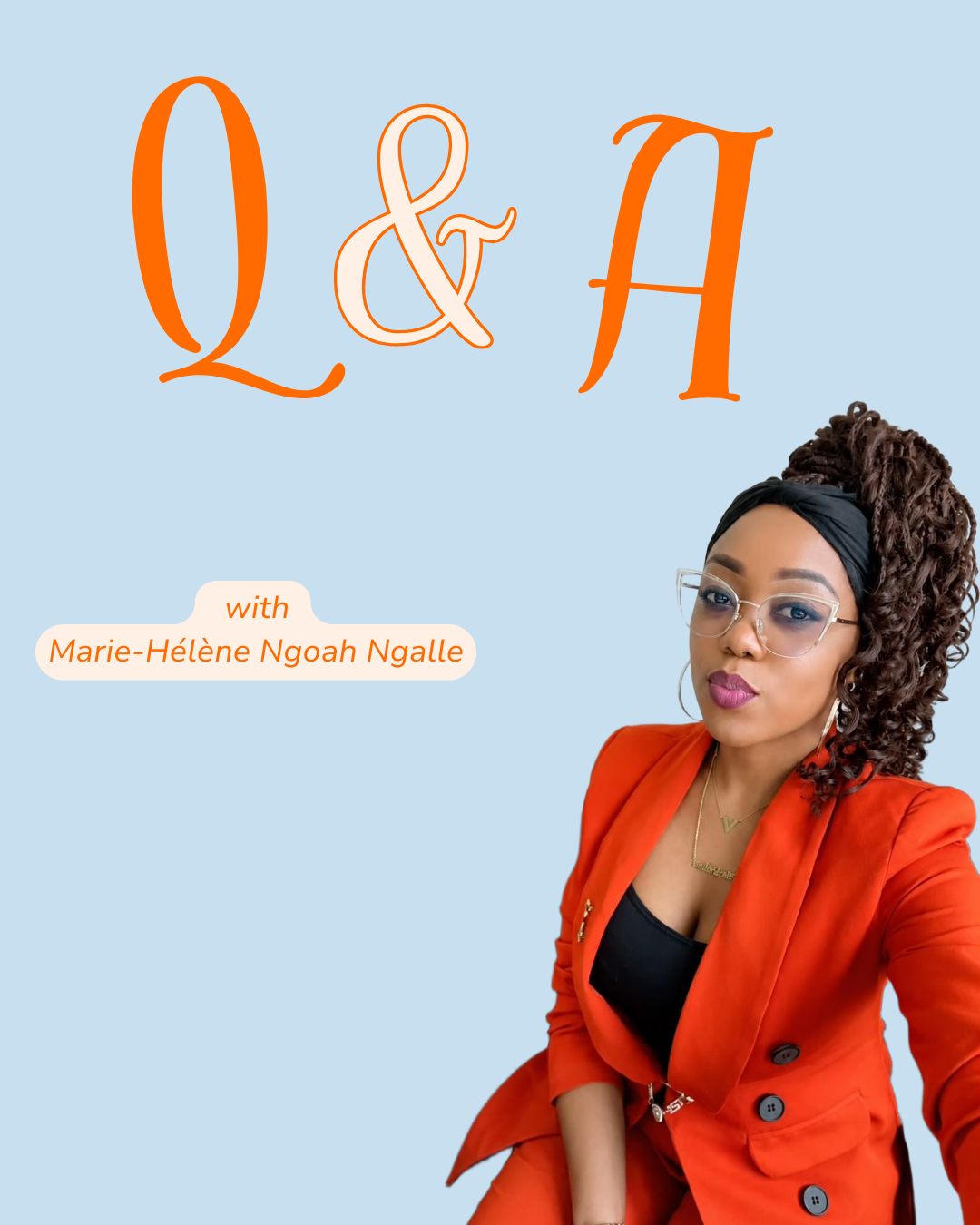
As a translator, I believe our role goes beyond transferring words from one language to another. We must also convey the emotions, tone, and nuances that give a text its depth and authenticity. So when I read The Shape of Unbroken Things by Comfort Mussa, I was struck by the way she allows Iya, the main character, to be vulnerable without reducing her to her vulnerability. Iya is a teenager who has several emotions. She is afraid, angry, funny, proud, and sometimes uncertain about who she is becoming. Although her disability shapes her experience, it does not define her entire identity.
In translating the novel into French, I wanted to preserve this complexity, along with the warmth, humour, and emotional honesty of the narrative. Above all, I wanted Iya to retain her own voice which is that of a teenager finding her place in the world, not simply a character defined by what she has endured. For me, literary translation means remaining faithful not only to the words, but also to the humanity and emotional depth behind.
What drew you to this project in particular, and did the empowerment change how you approached the work?
What drew me to the project was its refusal to present beauty, identity, disability, belonging, and self-acceptance as issues that can be resolved through a sudden, triumphant transformation. Iya’s journey is compelling precisely because empowerment is not about becoming fearless, but about reclaiming the authority to define herself on her terms. Mambo’s struggle to find her voice, while remaining deeply connected to her mother, further complicates this process by revealing the delicate tension between personal autonomy and familial bonds. These nuances shaped my translation choices. I paid particular attention to the emotional weight of dialogue and the moments when ordinary words become acts of self-assertion. My aim was not merely to convey the meaning of the original, but to preserve the character’s agency in French, ensuring that their voices remained their own rather than being reshaped or diminished by the act of translation.
Translating a teenage voice is its own challenge. How did you find the French that Iya and Mambo would actually speak?
For me, the challenge was to make the French sound natural without losing the literary richness of the original. Teenagers don’t always speak in perfectly formed sentences. They can be playful, hesitant, blunt, or confrontational, depending on the situation. So, I paid close attention to the rhythm of the dialogue, the short exchanges, and the emotions behind the words. I also wanted to preserve the Cameroonian context of the story, making sure the French felt natural without losing what makes the character’s world unique.
The tête-bêche edition means a reader can flip the book and cross into the other language. What do you hope francophone readers, and bilingual readers, discover in that crossing?
I hope French-speaking readers will connect with this contemporary African story and its characters, who are shaped by their own social and cultural realities but face questions that many of us can relate to, such as identity, exclusion, friendship, and the need to belong. I also hope bilingual readers will see how translation brings two languages into dialogue. English and French each have their own rhythm, nuances, and ways of expressing emotions. Reading both versions can help us appreciate these differences while discovering the same story from different perspectives. Above all, I hope readers will come away with a message that lies at the heart of the book : our differences do not make us less human; they remind us of the many ways we are connected.
Was there a word, phrase, or moment in the book that gave you the most trouble, and one that gave you the most pleasure?
One of the main challenges was translating words used to describe disability and exclude Iya. These words can be hurtful, so I had to think beyond meaning and also about how they would sound in French and how they would make Iya and the reader feel. One of my favorite moments was translating Mambo’s line: “Silence is golden, but my voice is priceless” as “Le silence est d’or, mais ma voix n’a pas de prix” I like how the French version keeps the familiar expression but gives it a personal meaning. For me, it reflects Mambo’s journey: finding her voice does not mean turning her back on her roots. It means staying connected to where she comes from while learning to express herself in her own way.
The Shape of Unbroken Things/Ce qu’ on ne brise pas is available worldwide, and in Cameroon via Bakwa Books.